A Guide to Planning a Flexible Hiking Day: A Beginner-Friendly Approach
A practical guide to planning flexible hiking days. Learn how to choose the right trails, build adaptable itineraries, and adjust hikes based on energy, weather, and real-life conditions.
REALITIES OF TRAVEL
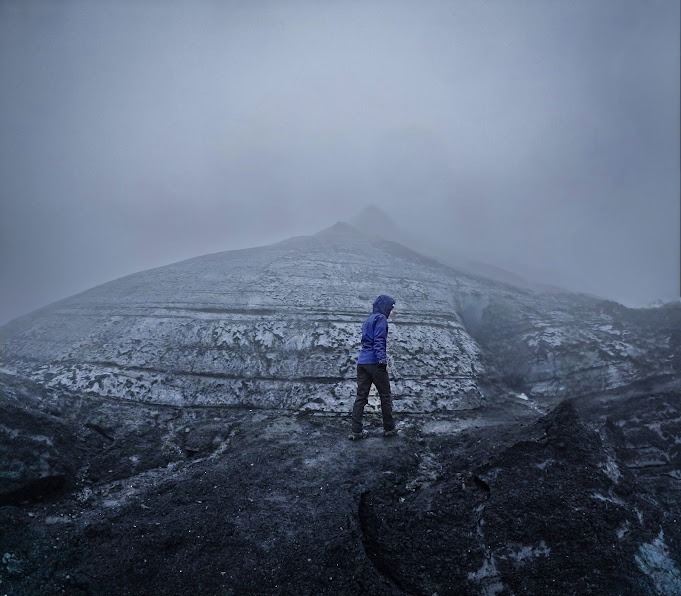
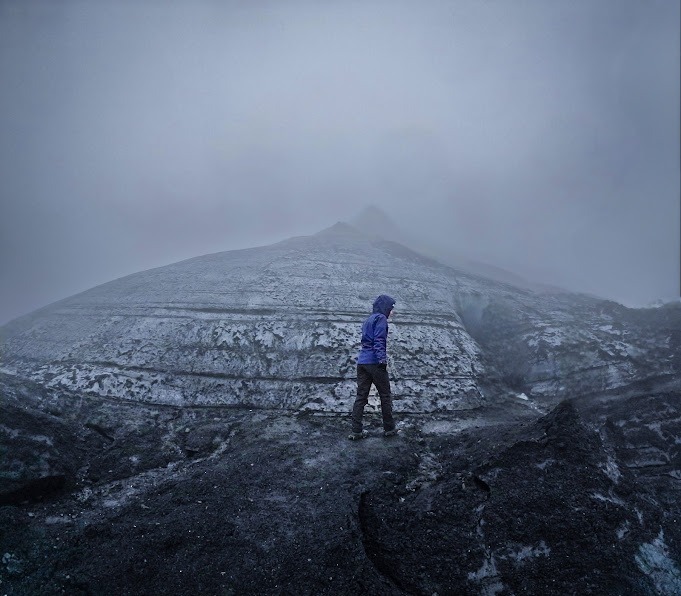
Before every trip, I spend hours researching trails, comparing routes, checking maps, reading local advice, and building an itinerary that helps me make the most of the day. But over the years, I’ve realised that the best hiking plans aren’t the most detailed—they’re the most flexible.
No matter how much you prepare, the mountains have their own plans. The weather can change, a trail can take longer than expected, or you might stumble across a viewpoint so beautiful that you simply want to stay a little longer.
That’s why every hiking itinerary I create leaves room to adapt. Here’s the approach I use before every hike.
1. Start by choosing the right trail
Before looking at distance or difficulty, I ask myself one simple question:
Does this trail give me options?
I always look for routes that can be adapted if needed. Loop trails, circular walks, or routes with alternative paths allow you to shorten or extend your hike depending on how the day unfolds.
Some days you'll have plenty of energy and want to explore every viewpoint. Other days you may prefer to take things more slowly. Choosing a flexible route means you don't have to make that decision until you're actually there.
2. Research more than just the hike
A successful hiking day starts long before you arrive at the trailhead.
When I'm planning a trip, I also research:
Where to park or how to reach the trail by public transport.
The best time of day to start.
Nearby cafés or restaurants for after the hike.
Scenic stops, lakes, waterfalls, or villages close to the route.
Local advice about current trail conditions.
These details might seem small, but they often make the difference between a stressful day and a relaxing one.
3. Give yourself more time than the trail suggests
One of the simplest changes I've made is adding around 45 minutes to the estimated hiking time. This isn't because I expect to walk slowly. It's because I know I'll want to stop. I stop to take photographs, admire the scenery, watch wildlife, enjoy lunch with a view, or simply sit in silence for a few minutes.
Those moments aren't interruptions—they're part of the hike.
Adding extra time also removes the pressure of constantly checking your watch. If the trail takes longer than expected or you discover somewhere worth exploring, you won't feel like you're falling behind.
4. Rest smart, not just often
Taking breaks is essential, but I've learned that how you rest matters just as much as when you rest. Rather than taking one very long stop, I usually prefer several shorter breaks throughout the hike. It gives me time to eat, drink, enjoy the scenery, and recover without cooling down too much.
If you stop for too long—especially on windy days or at higher elevations—your muscles can stiffen and it often feels much harder to start walking again.
Listen to your body, but remember that sometimes a ten-minute break is all you need before continuing comfortably.
5. Learn the mountain's rhythm
Checking the weather forecast isn't enough. Every mountain has its own conditions, and understanding them can completely change your experience.
For example, some mountain areas regularly become covered in fog during the afternoon. If you know visibility often starts to disappear after 3 pm, it's much safer to plan your summit earlier and begin descending before conditions change.
Before every hike I also check:
Local weather forecasts
Wind speeds
Sunrise and sunset times
Seasonal trail conditions
Recent updates from park authorities or local hiking groups
Good planning isn't just about reaching the summit—it's about returning safely too.
6. Always have a Plan B
No itinerary should be so strict that it falls apart if one thing changes. Whenever I create a hiking itinerary, I always think about alternatives.
Could I shorten the route?
Is there another viewpoint nearby?
Could I swap this hike for an easier walk if the weather changes?
Having a second option doesn't mean expecting something to go wrong—it means giving yourself the freedom to make better decisions on the day.
7. Let your body set the pace
One of the biggest lessons hiking has taught me is that every day is different. Some mornings I'll feel ready to tackle a long mountain trail. Other times, a shorter walk through a forest or along the coast is exactly what I need.
Living with chronic health challenges has reinforced this lesson. It has taught me to plan with flexibility, pay attention to how I'm feeling, and let my body set the pace rather than my itinerary. Adventure isn't measured by kilometres walked or summits climbed.


Sometimes the greatest achievement is simply being outside, breathing fresh air, and enjoying nature. A good hiking itinerary shouldn't make you feel rushed. It should give you confidence.
Research your route. Understand the conditions. Build flexibility into your plans. Leave time for unexpected moments. Most importantly, remember that hiking isn't a race.
The mountains will still be there if you need to stop, take a photo, enjoy the view, or simply slow down. And in my experience, those are often the moments that make a hike unforgettable.