Altitude Sickness: A Guide for High Mountain Travelers
Learn how to prevent altitude sickness, recognize symptoms, and manage it safely while traveling or climbing at high altitude. Includes expert tips and recommended supplements.
TRAVEL TOOLS & TIPS
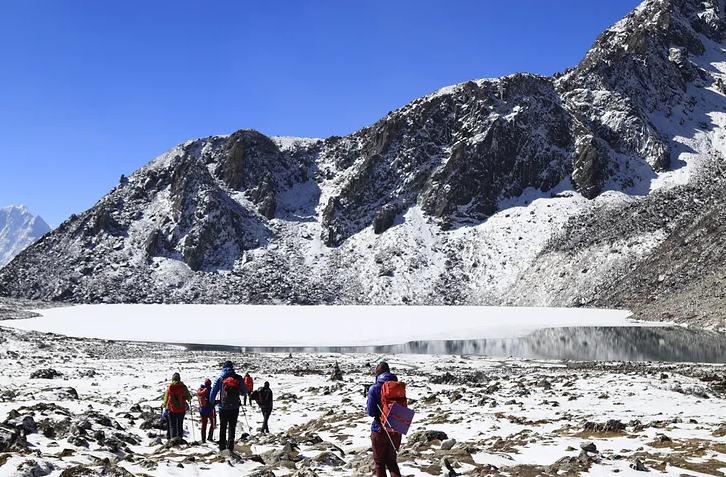
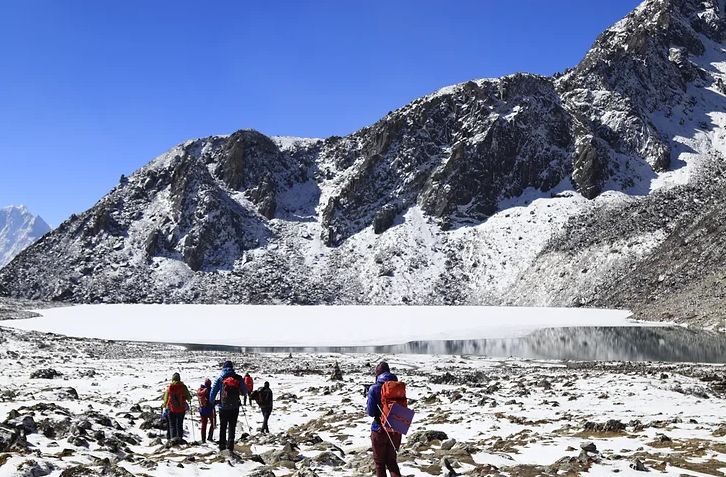
The Science Behind Altitude Sicknes
Mountain adventures are incredible—but as you climb higher, the air becomes thinner and your body has to work harder to get oxygen. It is very common, if your body doesn’t adjust quickly enough, you may develop Acute Mountain Sickness, commonly known as altitude sickness.
If you’ve ever been above 2,500 meters, you may have noticed that breathing feels more difficult and physical activity becomes much more demanding. Even a short walk can feel like intense cardio, and you may tire much faster than usual. This happens because your body is working harder to deliver enough oxygen to your muscles and organs. This is quite normal, especially for people who are not used to living in high altitudes. However, altitude sickness is a bit different.
The main cause of altitude sickness is hypoxia, which occurs when your body is not getting enough oxygen. At sea level, the air pressure is high enough to push oxygen efficiently into your bloodstream. At higher elevations, the reduced pressure means your body receives less oxygen with each breath. In response, your body immediately begins to compensate. Breathing becomes faster, the heart rate increases, and over the course of several days, the body produces more red blood cells to carry oxygen more effectively. These adjustments are part of acclimatization, but if someone ascends too quickly, the body may not adapt in time, which can result in the symptoms of altitude sickness.
Additionally, reduced oxygen can cause subtle fluid changes in the body. In mild cases, this may lead to headaches, fatigue, nausea, and dizziness. In more severe cases, fluid can accumulate in the lungs or brain, leading to High-Altitude Pulmonary Edema or High-Altitude Cerebral Edema, both of which are medical emergencies.
Recognizing the Symptoms of Altitude Sickness
Understanding the symptoms of altitude sickness is essential for anyone engaging in high mountain travel. Travelers are encouraged to monitor themselves and their companions closely. Taking preventive measures—such as ascending gradually and staying hydrated—may help diminish the likelihood or intensity of these symptoms. Early recognition and response to altitude sickness can lead to significantly safer travel experiences in mountainous environments, ultimately enhancing the overall enjoyment of high-altitude adventures.
Symptoms typically begin within 6 to 24 hours of reaching high altitude. The earliest signs often include headache, tiredness, nausea, dizziness, and difficulty sleeping. Many people describe it as a combination of a hangover and extreme fatigue. The appetite may decrease, and even gentle physical activity can feel exhausting.
If symptoms progress, more serious signs can develop. Shortness of breath while resting, persistent coughing, confusion, or trouble walking are indications that the condition is worsening and requires immediate attention.
Preventing Altitude Sickness: Tips and Strategies
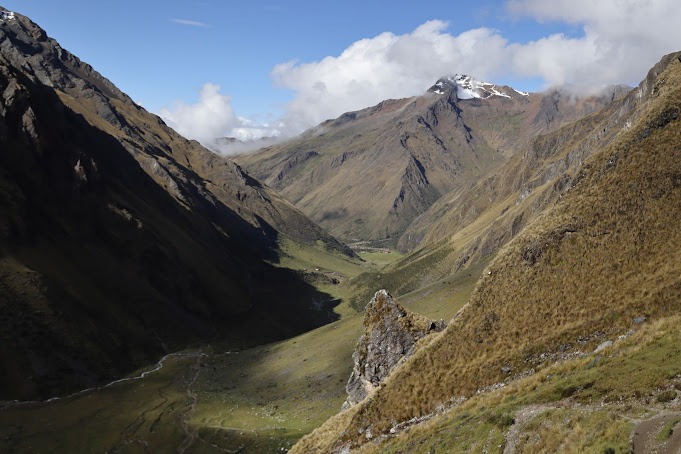
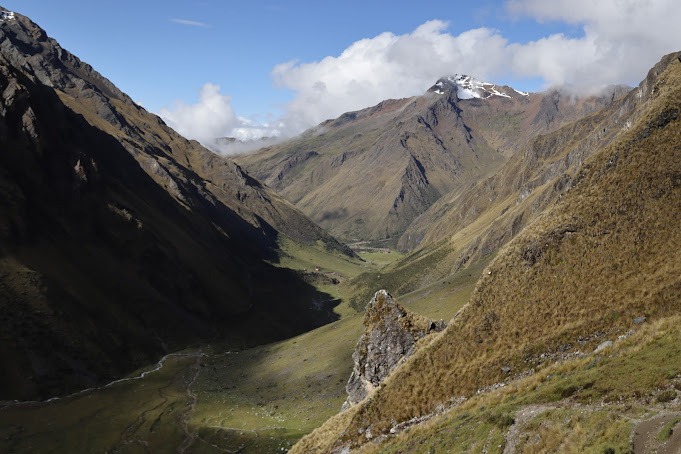
Prevention is the most effective way to avoid problems at high altitude. The simplest and most reliable method is to ascend slowly, allowing the body time to acclimatize. Increasing your sleeping altitude by no more than 300 to 500 meters per day is recommended, and taking a rest day every few days - just being in high altitude - can make a huge difference in how your body adapts.
Other methods invlove acclimatization walks, sometimes called “hike high, sleep low.” These are short walks at slightly higher altitudes than where you sleep, allowing your body to experience thinner air in a controlled way. For example, you might hike up a nearby ridge or trail during the day, then return to your campsite or lodge at a lower elevation to sleep.
These walks stimulate your body to produce more red blood cells and improve oxygen delivery without overtaxing your system. Even gentle walks of 30 to 60 minutes a day can significantly help your body adapt and reduce the risk of altitude sickness.
Hydration is also crucial during this time, as high altitude increases fluid loss. Drinking water regularly and limiting alcohol and excessive caffeine helps prevent dehydration, which can worsen symptoms. Eating carbohydrate-rich foods, such as rice, pasta, and fruits, provides energy while requiring less oxygen to metabolize, giving your body a better chance to adjust. Check out my guide on snacks and remedies that can help you with preventing altitude sickness. CLICK HERE!
Finally, avoid pushing yourself too hard in the early days. Overexertion before acclimatization is complete can overwhelm your body and increase the likelihood of altitude sickness. By combining slow ascent, acclimatization walks, proper hydration, and balanced nutrition, you give your body the best chance to adjust comfortably to high altitudes.
Breathwork for Altitude Acclimatization
Breathing consciously at high altitude can make a noticeable difference in how your body adapts to thinner air. Simple exercises improve oxygen uptake, calm the nervous system, and reduce fatigue. Here are some techniques you can try:
1. Diaphragmatic (Belly) Breathing
This technique encourages deep breathing that fully engages your lungs.
How to do it:
Sit or stand comfortably, place one hand on your chest and the other on your belly. Inhale slowly through your nose, letting your belly rise as it fills with air. Exhale gently through your mouth, feeling your belly fall. Try for 5–10 minutes at a time, several times a day.
Why it helps: Diaphragmatic breathing maximizes oxygen intake, strengthens your respiratory muscles, and improves endurance for short hikes or acclimatization walks.
2. Box Breathing
Box breathing is a simple rhythm-based technique that promotes calm and steady oxygen flow.
How to do it:
Inhale through your nose for a count of four, hold your breath for four counts, exhale slowly through your mouth for four counts, and hold again for four counts. Repeat this cycle for a few minutes, focusing on slow, even breathing.
Why it helps: This method helps regulate your breathing, reduces anxiety, and can prevent the rapid, shallow breaths that often occur at high altitudes.
3. Pursed-Lip Breathing
Pursed-lip breathing helps control shortness of breath, especially during exertion.
How to do it:
Inhale deeply through your nose, then exhale slowly through pursed lips, as if you were gently blowing out a candle. Make the exhale about twice as long as the inhale.
Why it helps: Pursed-lip breathing maintains airway pressure, allows for more complete oxygen exchange, and reduces the feeling of breathlessness during hikes or stair climbs at altitude.
Try combining these breathwork techniques with acclimatization walks. For example, you might do diaphragmatic or box breathing before starting a gentle hike or during a short rest stop. This helps your body maximize oxygen uptake and adapt more efficiently to high altitude.

Managing Symptoms of Altitude Sickness
Even with careful preparation, altitude sickness can still happen. The key is to respond quickly and thoughtfully. The first step is to pause your ascent. Continuing to climb while symptoms are developing can make the condition worse, so it’s important to listen to your body and take it seriously.
If your symptoms are mild, gentle movement, such as short acclimatization walks or light stretching, can sometimes help your body adjust. Coupling these walks with conscious breathwork—like diaphragmatic breathing or box breathing—can improve oxygen intake and help you feel more comfortable.
Sometimes, mild symptoms improve on their own within 24 to 48 hours, but if you notice that your condition is worsening, descending to a lower altitude is the most effective treatment. Even a drop of 500 to 1,000 meters can significantly improve oxygen availability and relieve symptoms.
The most important thing to remember when dealing with altitude sickness is not to panic. It’s easier said than done, but calming both your body and mind can make a significant difference. At high altitudes, it’s completely normal for your body to trigger the fight-or-flight response when oxygen levels drop. You may notice that your breathing becomes faster, your heart rate increases, or your lungs feel like they’re working overtime. This reaction can feel alarming, almost like anxiety or panic, but it’s actually your body’s way of trying to get more oxygen to vital organs. By reminding yourself that you are safe and that these sensations are normal, you can help reduce tension, control your breathing, and respond more effectively to the symptoms.
Hydration and Oxygen
Hydration plays a key role in recovery. High altitude makes you lose fluids faster through breathing and increased urination, so it’s crucial to drink regularly. Water is great, but adding electrolytes can be even more effective. Products such as High5 Zero Protect Hydration Electrolyte Tablets help replace essential minerals and maintain hydration balance, which can reduce headache and fatigue when your body is under altitude stress.
If nausea or an upset stomach is bothering you, gentle natural options can help. Ginger has been used for centuries to settle digestion, and supplements like Naturactive Ginger 30 Capsules are easy to carry and take on the trail. These can be particularly soothing if you feel queasy after eating or while resting.
For some travelers, oxygen drops can be a helpful complement to portable oxygen canisters. These drops, often labeled as Activated Stabilized Oxygen (ASO), are taken orally and can temporarily increase the oxygen available to your bloodstream. Many people find they help reduce mild symptoms such as fatigue, lightheadedness, or shortness of breath during short stops or when rest alone isn’t enough. They are especially useful on trekking routes or during brief high-altitude exposures when you may not have access to a canister.
It’s important to note that these drops are supportive, not a replacement for acclimatization or descent. They work best alongside other strategies, such as slowing your ascent, taking acclimatization walks, practicing breathwork, staying hydrated, and resting.
Headaches and Nausea
Headaches and nausea are among the most common symptoms of altitude sickness. They can range from mild discomfort to more intense, persistent pain and queasiness. Headaches often appear early, sometimes within the first few hours of reaching a higher elevation, and can feel similar to a tension headache or hangover. Nausea can follow, sometimes accompanied by loss of appetite or mild stomach upset.
For headache relief, over-the-counter pain medications such as ibuprofen or paracetamol (acetaminophen) can be used if you have no medical contraindications. These help reduce pain while your body acclimatizes but don’t address the underlying oxygen deficit.
Nausea can be managed naturally or with supplements. Ginger is widely recognized for its anti-nausea effects. Options such as Ginger Root Capsules and Pepermind Tea re easy to carry, gentle on the stomach, and convenient for trekking or travel. Eating light, carbohydrate-rich foods like rice or pasta can also help prevent nausea by avoiding heavy digestion demands.
Check out more remedies in my blog post! CLICK HERE.
Medications for Altitude Sickness
For many travelers, medications can be a powerful tool alongside hydration, acclimatization, and rest. These drugs are typically used to prevent altitude sickness or reduce the severity of symptoms if they appear. Acetazolamide (Diamox) is the most commonly prescribed medication for altitude sickness prevention. It works by helping your body adjust to lower oxygen levels more quickly. Essentially, it stimulates breathing, which improves oxygen intake and reduces symptoms like headache, nausea, and fatigue. Many doctors recommend taking acetazolamide a day or two before ascending, then continuing for a few days at high altitude. It’s important to consult a healthcare professional before starting, as it may not be suitable for everyone.

High-altitude adventures offer some of the most breathtaking experiences on Earth, but they also challenge your body in unique ways. By understanding why altitude sickness occurs, recognizing the symptoms early, and using a combination of prevention strategies—such as slow ascent, acclimatization walks, breathwork, hydration, supplements, and medications—you can protect yourself and make the most of your journey. Listening to your body, staying calm, and responding quickly to discomfort are just as important as any physical preparation.
Remember, altitude sickness is manageable when approached thoughtfully. Mild symptoms often resolve with rest, hydration, and controlled breathing, while more serious issues can be addressed safely with medications, supplemental oxygen, or descent if needed. With careful planning, awareness, and a calm mindset, you can enjoy the beauty of the mountains while keeping yourself safe and comfortable, ensuring that your high-altitude adventure remains a rewarding and unforgettable experience.