An Adventure in the Land of Ice and Fire
Iceland—dubbed the Land of Ice and Fire—truly lives up to its name. From the fiery eruptions of volcanoes to the freezing beauty of towering glaciers, this country offers an adventure like no other.
TRAVEL STORIESICELAND
Iceland, often referred to as the Land of Ice and Fire, presents a remarkable juxtaposition of natural phenomena that captivates travelers from around the globe. This Nordic island nation is a unique destination shaped by its geological contrasts, where towering glaciers coexist with active volcanoes. The title ‘Land of Ice and Fire’ stems from Iceland's dynamic topography, underscored by the presence of vast ice caps, such as Vatnajökull, and notorious volcanoes, including Eyjafjallajökull. These formidable natural elements are not only visually stunning but also play a crucial role in shaping the island's landscape and climate.
The dramatic features of the land enable a variety of outdoor activities ranging from glacier hiking, ice climbing, to exploring geothermal hot springs. Nature enthusiasts are drawn to the surreal beauty of the landscapes, where one can marvel at breathtaking waterfalls, striking rock formations, and unique wildlife set against a backdrop of stark contrast between ice and fire.
Besides its geological marvels, Iceland is steeped in rich mythology and culture. The folklore, shaped by the country's harsh environment, is infused with tales of elves, trolls, and the Norse gods, adding a layer of mystique to the experience. Understanding Icelandic culture provides deeper insights into the ways locals interact with their dramatic environment, often reflecting reverence for the extraordinary landscape that surrounds them. This blend of natural beauty, adventure opportunities, and cultural richness makes Iceland an exciting destination for any traveler seeking an unforgettable adventure in the Land of Ice and Fire.
Best time to visit Iceland
When considering a journey to Iceland, understanding the best time to visit is crucial for a rewarding experience. The ideal months generally fall between June and August, during the summer season, when the weather is more temperate, and daylight lasts up to 24 hours. This period is perfect for gazing at the breathtaking landscapes, lush green valleys, and vibrant fauna. However, summer also attracts more tourists, which may lead to crowded attractions.
Conversely, winter, especially from December to March, offers a unique charm with snow-covered landscapes and the chance to witness the mesmerizing Northern Lights. While colder temperatures and potential road closures may deter some travelers, this season allows for an intimate exploration of Iceland’s natural wonders, away from large crowds. Each season brings its own set of activities; summer visitors can partake in hiking, whale watching, and exploring geothermal spas, while winter adventurers can enjoy skiing, ice fishing, and soak in hot springs surrounded by frosty scenery.
In summary:
Summer (June–August): best for road trips, hiking, long days and milder temperatures; you get near‑24‑hour daylight and easier driving conditions.
Sept–March: best for Northern Lights, ice caves and a moodier, winter feel, but with short days and a higher chance of storms.
Shoulder seasons (May, September): often a good balance of fewer crowds, lower prices and still decent daylight.
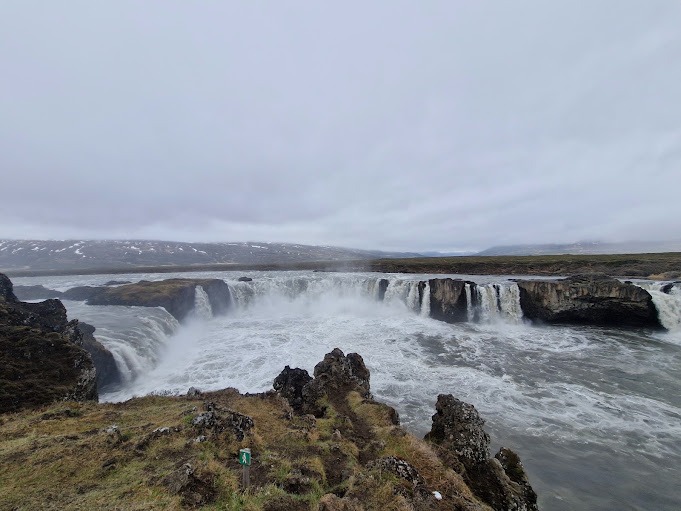
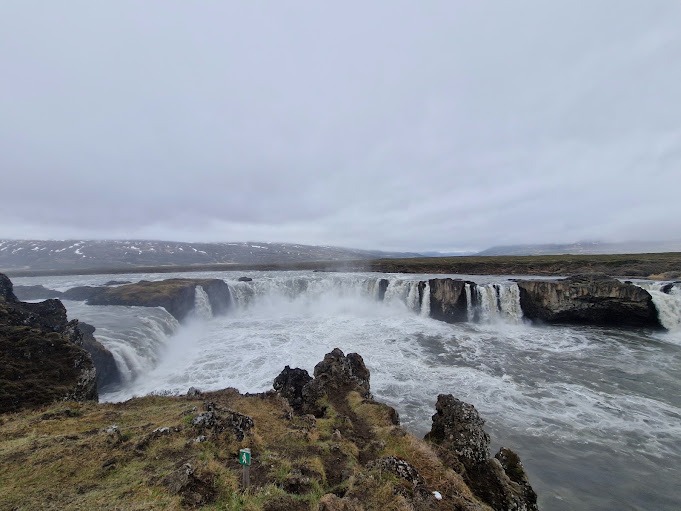


Before you hit the road in Iceland, there are a few things to keep in mind to make your journey smooth, enjoyable, and stress-free. From paying for campsites to stocking up on supplies, here’s everything you need to know to make your Icelandic adventure unforgettable.
Campsite Payment & Booking
Campsites in Iceland are well-maintained, affordable, and easy to find along the Ring Road and Golden Circle. Most campsites operate with a self-check-in system, where you can pay at an automated kiosk upon arrival. However, there is often a camping manager or reception available who will come around to collect payment directly. They’ll usually accept credit cards or mobile payments.
If you’re traveling during peak season, it’s wise to book ahead or ensure you know the campsite’s check-in procedure. Many campsites offer the Camping Card, which gives you access to over 40 campsites across the country for a set price. However, we found that we didn’t have any issues with booking in advance. We simply showed up at each site, and the reception staff were always welcoming and ready to assist us. Paying on arrival was straightforward, and there was always a sense of hospitality, even during the busy summer season.
Renting a 4WD or Camper Van
If you’re planning to venture off the main roads or visit some of Iceland’s more remote natural wonders, it’s highly recommended to rent a 4WD vehicle. While the main roads, such as the Ring Road, are well-paved and suitable for regular cars, the F-roads (highland roads) require a 4x4, especially if you plan to explore places like Landmannalaugar or Askja.
That said, even if you’re sticking to the main routes, a camper van gives you the freedom to camp out in nature, stay close to hiking trails, and wake up to incredible views. Many rental companies offer camper vans equipped with everything you’ll need, including sleeping arrangements, cooking facilities, and even basic supplies. Just be sure to check the insurance coverage for your vehicle and the conditions of the roads you plan to travel on.
Supermarkets and Stocking Up on Supplies
Stocking up on supplies before hitting the road is key, especially if you plan to cook most of your meals. Iceland’s supermarkets are a mix of affordable and pricey, but if you stick to the right stores, you can save a lot on food. Some of the cheapest supermarkets include Bónus, Krónan, and Netto.
Essential Apps to Download
To make your road trip even smoother, be sure to download these essential apps before hitting the road:
Maps.me: A fantastic offline map app that shows detailed routes and is perfect for navigating both main roads and remote routes in Iceland. Download the map of Iceland before you go to avoid using data while on the road.
Veður (Weather App): Icelandic weather is unpredictable, and the Veður app will give you real-time updates on conditions throughout the country. You can track everything from wind speed to rain, and it's essential to stay updated on weather forecasts, especially if you're venturing into the highlands or coastal areas.
Road.is: This app provides important road condition updates, including real-time alerts about closures, construction, or hazardous conditions. It’s especially helpful for travelers who plan to explore areas with fewer services or remote roads.
Camping.info: If you’re planning to camp, this app will help you find campsites all over Iceland, complete with user reviews, prices, and facilities.
Prepare for All Weather Conditions
Even in summer, the weather in Iceland can be highly unpredictable. You might experience sunshine, rain, and wind all in one day, so packing layers is essential. Don’t forget to bring waterproof jackets, sturdy hiking boots, and a hat and gloves, just in case. I recommend bringing a good windproof jacket because the wind can get fierce, especially along the coasts or in higher elevations.
Also, don't forget sunscreen—yes, even on cloudy days, Iceland’s UV rays can be surprisingly strong, especially with long summer daylight hours.
Petrol Stations and Refueling
Fuel can be expensive in Iceland, so always fill up when you can, especially in remote areas. Gas stations are frequent along the Ring Road, but when you head into more remote regions, you might not see a station for miles. Be sure to check your fuel levels and plan accordingly.
With all these tips and preparation in mind, we were ready to embark on our road trip around Iceland!
Arrival in Keflavik
Your Icelandic adventure kicks off in Keflavik, where you’ll collect your rental van. This choice of transportation offers unmatched freedom, allowing you to explore at your own pace.
When we picked up our camper van, we were pleasantly surprised to find that the rental company provided a variety of supplies, including some basic food items and camping gear. This helped us get started right away without needing to rush to the store. Additionally, many camper van companies offer a ‘Leave it for the Next Traveler’ section, where returning travelers leave behind unused food, toiletries, and other items for others to take. It’s a great way to help the environment, save money, and reduce waste.
Once we got everything we needed from the rental company, we made a stop at Bónus to pick up some extra items like fresh fruit, bread, and some Icelandic treats. It's easy to stock up here and stay within your budget, so don’t forget to grab some snacks for the long drives between stops.
We decided to go with "Happy Campers". A great campervan rental company with lovely staff, and amazing supplies


What to pack (practical list)
Forget “cute outfits” – Iceland is all about layers, comfort and staying warm enough to actually enjoy the view. Think in three stages: a snug thermal or quick‑dry base layer, a cosy fleece or light down mid layer, and then a proper waterproof, windproof shell on top (jacket and, ideally, trousers). For your feet, bring waterproof hiking shoes or boots with decent grip and a few pairs of wool socks – standing in waterfall spray in soggy trainers is not the vibe.
Little extras make a big difference: a hat, thin gloves, a buff, and in winter some simple microspikes you can stretch over your shoes for icy paths, plus spare camera batteries and a dry bag for your gear. Comfort-wise, pack a swimsuit and quick‑dry towel (you’ll end up in hot pools way more than once), sunglasses and a sleep mask in summer when it never really gets dark!
Money and costs
Let’s be honest: Iceland is stunning, and also spendy. The good news is it’s almost completely cashless, so you can pay for pretty much everything with a card – petrol pumps, parking, even some toilets. The not‑so‑good news is that food, especially eating out, adds up fast, so it’s worth over‑budgeting here. Simple ways to save: book a place with a kitchen and cook a few meals, grab pastries or sandwiches from bakeries, and use hot dogs, soups and supermarkets as your budget‑friendly go‑tos. Tipping isn’t really a thing (service is usually included), though people sometimes round up or leave a small tip in restaurants or on tours if they’ve had an amazing experience – totally optional.
Safety and driving realities
Iceland looks like a fantasy film set, but the nature you’re admiring can be pretty hardcore. Weather can swing from calm to horizontal snow in what feels like ten minutes, so it’s worth checking the forecast and road conditions every day and actually listening to those closure and high‑wind warnings. At the “wow” spots, give cliff edges, powerful waves on black‑sand beaches, and glaciers/ice caves a respectful distance unless you’re with a certified guide – no photo is worth getting swept away or hurt. In winter, if you’re not used to driving on snow and ice, try to avoid long drives in the dark and be ready to change the plan if conditions get sketchy. You can steal this “don’t” list for your post: don’t try to do the whole Ring Road in 5 days, don’t stop in the middle of the road for photos, don’t turn your back on the ocean at black‑sand beaches, and don’t wander off the marked paths around geothermal areas (the ground can literally be fragile or boiling underneath).
Planning a trip to Iceland is unforgettable in itself – you’re not just booking flights and hotels, you’re choosing between midnight sun and Northern Lights, epic waterfalls and black‑sand beaches, road trips and steamy lagoons.
From that first deep‑dive into maps and weather apps to deciding which hot spring you’ll sink into after a long day of exploring, the planning becomes part of the adventure. In this guide I’ll walk you through the route I followed, the stops that were worth every mile, and the practical tips I wish I’d known before I set off, so you can spend less time stressing and more time staring at glaciers.
When you’re ready to turn this into your own journey, visit the link to download the full road trip route from Wanderlog, and don’t forget to explore the rest of the blog for more itineraries, ideas and travel stories from Iceland and beyond.
Find out more about Iceland HERE!

