Exploring Morocco: My 11-Day Journey Through the Rich Culture and Breathtaking Landscapes
A personal travel story through Morocco, blending coastal calm, desert, vibrant cities, cultural discovery, and unforgettable moments that capture the country’s contrast and charm.
TRAVEL STORIESMOROCCO
Morocco Beginnings: Slow Days in Taghazout and a Windy Escape to Essaouira
There’s a particular kind of stillness that comes with arriving somewhere completely new at night—when you can’t quite see your surroundings yet, only feel them. After landing in Agadir, we climbed into a pre-arranged taxi bound for Taghazout, driving through dark, quiet roads with little more than streetlights and the occasional silhouette of buildings guiding the way.
By morning, Taghazout introduced itself properly—and it couldn’t have been more different from that first impression. What felt sleepy at night turned into a bright, easygoing surf town by day. The Atlantic stretched endlessly along the coast, dotted with surfers already in the water, and the whole place seemed to move at its own unhurried pace.
We spent two days there, and they passed in the best way possible—slowly, without pressure. There wasn’t a strict plan or a list of must-sees. Instead, we wandered. Small streets lined with simple, colorful buildings led us to little cafés and viewpoints where we could just sit and watch the world go by.
Mornings often started with the sound of waves and ended with mint tea. Somewhere in between, there was always good food—fresh, filling, and shared without rush. Some of our highlights included relaxed meals at World of Waves, with its rooftop views and easygoing atmosphere, and spending time at the Amouage Hotel, which felt like the perfect place to slow down and take in the coastline. Taghazout didn’t demand much from us, and that was exactly its charm. It was a place to pause, reset, and ease into Morocco rather than dive straight into intensity.
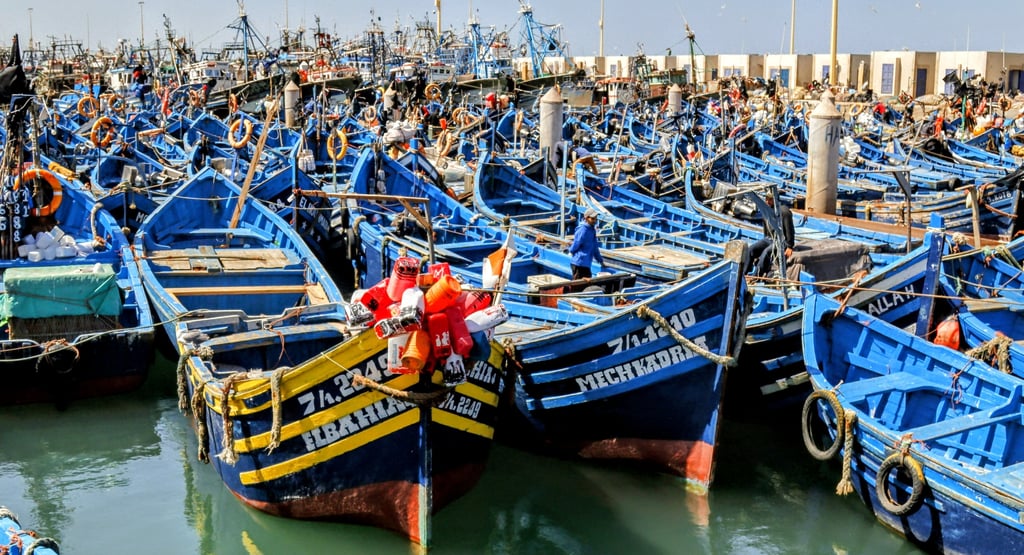
On our third day, we had booked a tour to Essaouira, which dropped us off for the day to explore at our own pace. The shift in atmosphere was immediate. Where Taghazout felt quiet and contained, Essaouira opened up in every direction—windy, vibrant, and full of movement. We wandered through the medina without much of a plan, eventually finding ourselves at the fish markets, which were easily one of the most impressive parts of the day—busy, authentic, and full of energy. The wind was constant and strong, giving the whole city a slightly wild feel.
At one point, we stopped for a quick lunch at Fishburger, which turned out to be one of the best meals of the day—simple, fresh, and exactly what we needed before continuing to explore.
Walking along those walls was one of the most memorable parts of the day. The ocean felt wilder here, the wind stronger, and everything just a bit more dramatic. It was the kind of place that made you stop, look out, and take it in for longer than you expected.
We wandered without a map, turning corners at random, passing handmade goods, textured fabrics, and intricately carved woodwork. It was easy to get lost—but in a way that felt more exciting than stressful. Every wrong turn seemed to lead to something worth seeing. By evening, when we made our way back to Taghazout, the contrast hit again.
Those first few days in Morocco weren’t packed with major landmarks or tightly planned schedules. Instead, they were about finding a rhythm. Taghazout taught us how to slow down, while Essaouira reminded us how alive and dynamic a place can feel.
Heading Into the Sahara: From Taghazout to Fes
After our third day, we packed our bags early in the morning at 8 a.m. and waited to start our next adventure—a tour through the Sahara Desert that would eventually take us to Fes. This trip was booked through Morocco Culture Travel before we arrived in Morocco.
Our initial itinerary was this four-day tour: https://moroccoculturetravel.com/tour/4-days-sahara-desert-tour-from-agadir-to-fes/. We had a few adjustments in mind, and the team was more than happy to accommodate our requests, making the plan feel personalized and perfect for our journey ahead.
Our first day started early, leaving Taghazout behind and heading inland through the High Atlas. One of our favorite stops was in Taliouine, where we visited the Coopérative Souktana du Safran. It was amazing to see how saffron is carefully harvested and processed by local farmers. We got to learn about the hand-picking process, see the vibrant red threads, and even tasted saffron tea. It felt really special to connect with the local culture in such a hands-on way.
We also stopped in Taznakht to see the famous Berber rugs and had a fascinating visit to Atlas Studios in Ouarzazate, known as one of the largest film studios in the world. Walking through the massive sets and film locations felt like stepping into movie history—it was a completely unique experience.
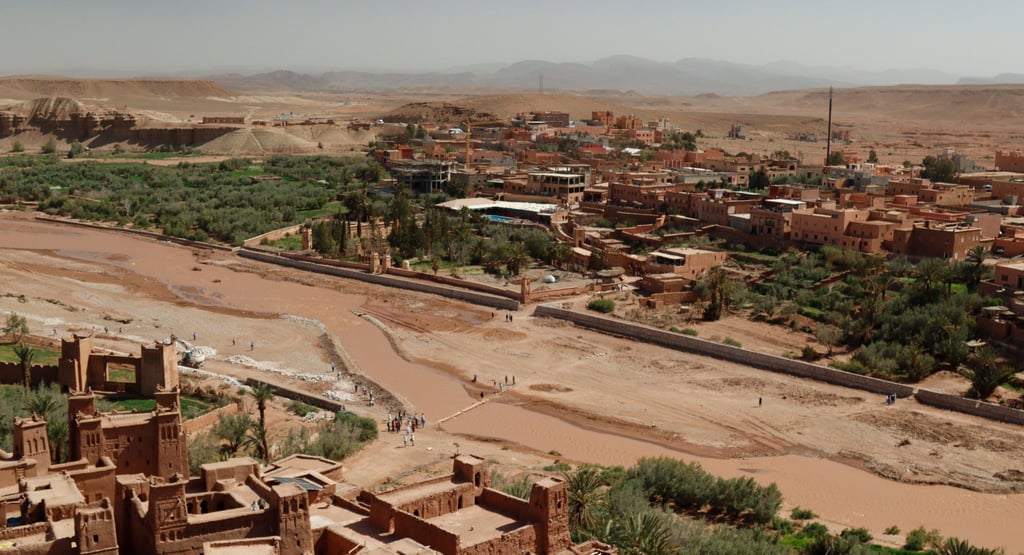
We wandered through the ancient streets of Aït Benhaddou, explored Ouarzazate and the Skoura palm grove, before arriving at the stunning Dades Gorge for our first night. The hotel that was booked for us was Dar Rihana, a beautiful place tucked into the gorge where we rested surrounded by dramatic cliffs. This hotel was amazing: the food was incredible for both dinner and breakfast, the room was cozy and spacious, and the staff were polite and fun. It was quite cold there, so we were glad we had packed warm pajamas and jackets.
The next morning, felt like stepping into another world. The route we took was completely different from what we were used to in Taghazout, winding through dramatic valleys and open landscapes. Our guide and driver knew the best times to visit each spot, giving us enough time to explore without the crowds. Todra Gorge was breathtaking, and we were lucky to see it in peace—later, the place became packed with visitors, and we were grateful for our quiet window.
As we continued toward Rissani, the landscape began to transform. The lush greenery and winding mountain roads gradually gave way to arid plains dotted with desert vegetation. Small Berber villages appeared along the way, with mud-brick houses and palm groves that hinted at life in the desert. The Atlas Mountains loomed in the distance, and the light shifted as the day progressed, casting long shadows and giving the scenery a dramatic, almost cinematic quality. The route to Rissani was quite long, and we were glad we had stopped there for some food. We were served Berber pizza and tea, which was our first taste of traditional Moroccan cuisine on this tour.
By the afternoon, we reached Merzouga, where we decided to stop in the desert for some quad biking. Riding through the sandy terrain was thrilling—the wind in our faces and the vast dunes stretching around us made it feel like we were in the middle of nowhere, free and completely immersed in the desert landscape. After the quad biking adventure, we said goodbye to our guide and driver and were introduced to our next driver, who took over in a 4x4 and dropped us off at our hotel in Erg Chebbi. Riding in the 4x4 over the desert terrain was a smooth yet exciting transition, preparing us for the evening ahead.
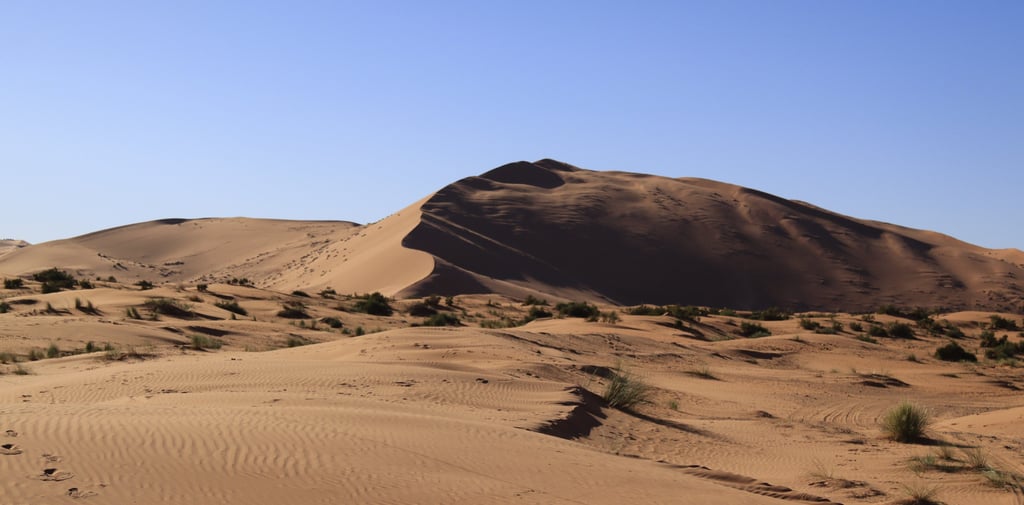
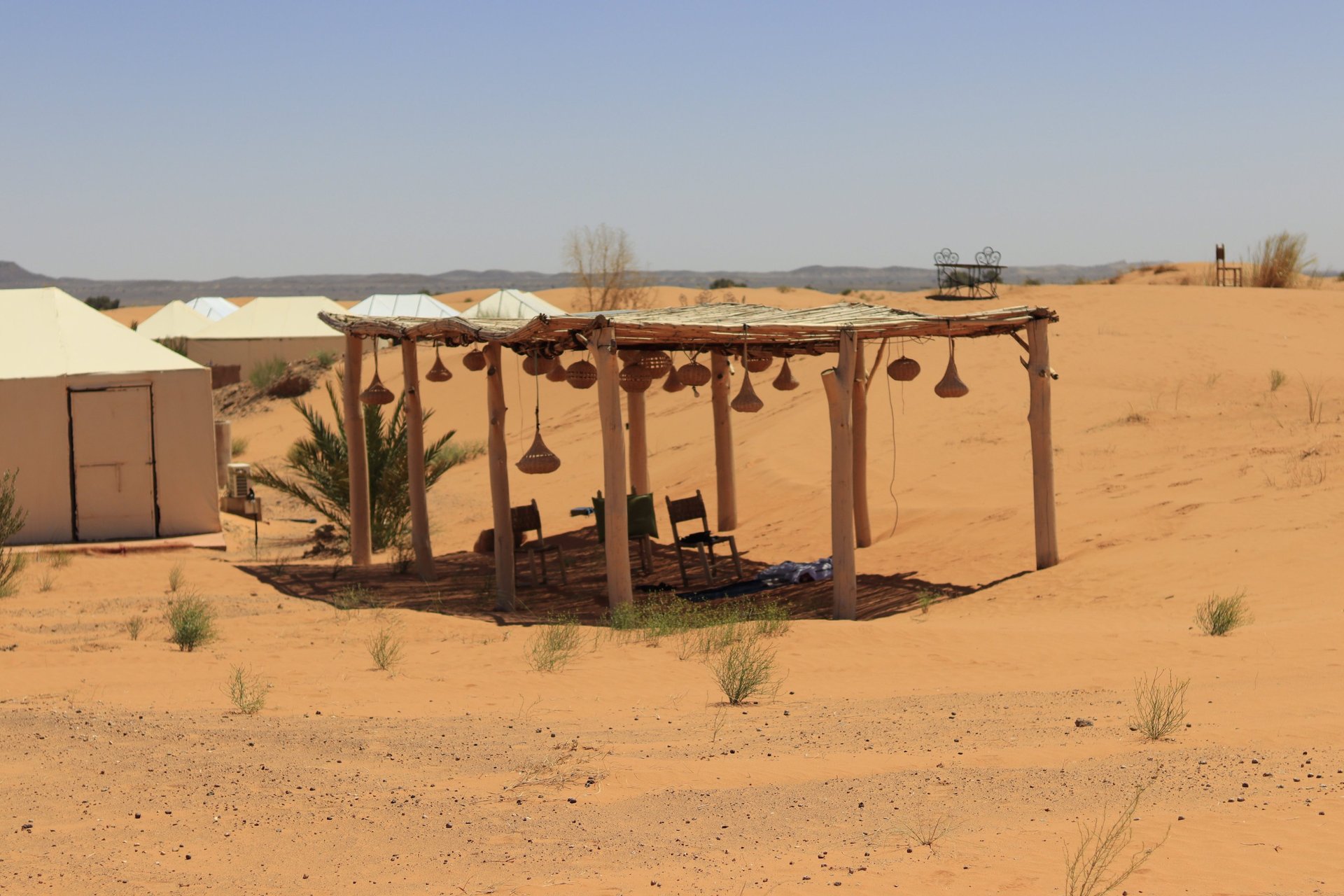
We arrived at our desert camp during sunset, and it was a really beautiful camp set in the middle of the desert. We were served warm mint tea and biscuits and had the chance to chill a bit in the heart of the camp, enjoying the calm and unique atmosphere. Later, we headed to the Erg Chebbi dunes near Merzouga. Riding camels across the golden sands was surreal; the view stretched endlessly, and the sun began its slow descent, painting the dunes in fiery orange and deep shadows. Arriving at our desert camp, we settled in for dinner with traditional Berber music around a fire. The night air was chilly, but the stars by the campfire were endless, and the atmosphere felt magical—a perfect combination of adventure and serenity.
The next morning, felt like stepping into another world. The route we took was completely different from what we were used to in Taghazout, winding through dramatic valleys and open landscapes. Our guide and driver knew the best times to visit each spot, giving us enough time to explore without the crowds. Todra Gorge was breathtaking, and we were lucky to see it in peace—later, the place became packed with visitors, and we were grateful for our quiet window.
As we continued toward Rissani, the landscape began to transform. The lush greenery and winding mountain roads gradually gave way to arid plains dotted with desert vegetation. Small Berber villages appeared along the way, with mud-brick houses and palm groves that hinted at life in the desert. The Atlas Mountains loomed in the distance, and the light shifted as the day progressed, casting long shadows and giving the scenery a dramatic, almost cinematic quality. The route to Rissani was quite long, and we were glad we had stopped there for some food. We were served Berber pizza and tea, which was our first taste of traditional Moroccan cuisine on this tour.
By the afternoon, we reached Merzouga, where we decided to stop in the desert for some quad biking. Riding through the sandy terrain was thrilling—the wind in our faces and the vast dunes stretching around us made it feel like we were in the middle of nowhere, free and completely immersed in the desert landscape. After the quad biking adventure, we said goodbye to our guide and driver and were introduced to our next driver, who took over in a 4x4 and dropped us off at our hotel in Erg Chebbi. Riding in the 4x4 over the desert terrain was a smooth yet exciting transition, preparing us for the evening ahead.
We arrived at our desert camp during sunset, and it was a really beautiful camp set in the middle of the desert. We were served warm mint tea and biscuits and had the chance to chill a bit in the heart of the camp, enjoying the calm and unique atmosphere. Later, we headed to the Erg Chebbi dunes near Merzouga. Riding camels across the golden sands was surreal; the view stretched endlessly, and the sun began its slow descent, painting the dunes in fiery orange and deep shadows. Arriving at our desert camp, we settled in for dinner with traditional Berber music around a fire. The night air was chilly, but the stars by the campfire were endless, and the atmosphere felt magical—a perfect combination of adventure and serenity.
The next day, we had arranged to just spend time in the desert. We woke up at our own pace and enjoyed a relaxed breakfast. We took some short walks in the desert, staying safe so we wouldn’t get lost, and along the way, we saw Bedouins crossing with their camels. We also had our sandboards for some sandboarding, which was exhilarating. The camp was almost empty during that time, making the landscape feel even more majestic. We spent hours sitting in the shade, reading a book and sipping smoothies, completely immersed in the tranquility of the desert.
On the following morning, we woke up at 7 a.m. to catch the sunrise from a nearby dune with a spectacular view. After this serene start, we had breakfast and then jumped into the 4x4 to leave the desert. On the way out, we spent some time observing Bedouin camps from afar, taking in the life and rhythm of the desert. We reached Merzouga again, where we met up with our previous driver-guide to continue our journey toward Fes, carrying memories of the desert with us.
The route to Fes was a dramatic change from the open desert. We drove through the Middle Atlas Mountains, passing through winding roads, cedar forests, and small Berber villages nestled in the valleys. The landscape was dotted with rivers and hills, giving a lush contrast to the arid dunes we had just left behind. Along the way, we could glimpse local markets, ancient kasbahs, and farmlands that stretched across the valleys. The road offered plenty of scenic viewpoints, and the journey felt like a gradual reintroduction to Morocco’s diverse geography before arriving in the historic city of Fes. We had a few stops along the way before reaching Fes, including Ifrane, which felt like a completely unique experience after the desert. The contrast was striking—suddenly we were surrounded by alpine-style buildings, cooler air, and greenery, making it feel more like a small European town than anything we had seen so far in Morocco.


We arrived in Fes in the late afternoon, where we said goodbye to our guide. From there, we headed to the riad we had booked in the medina, close to the Blue Gate—something many locals had recommended as the best starting point to explore the old city. After checking into the lovely riad, we got ready and went out for dinner at Dar Khabya, a small restaurant serving delicious local food. We ordered a traditional tagine, which was the perfect introduction to Fes, before heading back to the riad for a good night’s sleep.
The next morning, we had breakfast on the rooftop of the riad, soaking in the views over the medina before heading out to explore. Walking through the narrow streets felt like stepping back in time. We visited the famous leather tanneries, watched artisans crafting goods in small workshops, wandered through bustling souks, and passed by historic sites like Al Quaraouiyine University and Bou Inania Madrasa. Every turn revealed something new—colorful stalls, intricate architecture, and the constant hum of daily life.
In the afternoon, we experienced a traditional hammam, which was definitely an interesting and memorable experience. Afterwards, we headed to Al Oud for dinner, ending the day with another great meal and reflecting on everything we had seen in Fes.
The next morning, we checked out and took a taxi from the Blue Gate to the train station to head to Marrakech. The trains in Morocco were surprisingly good—comfortable, reliable, and easily one of the best ways to travel between cities.


Two Days in Marrakech: Chaos, Colour, and Culture
From the moment we arrived in Marrakech, the energy shifted again—this time into something faster, louder, and more intense. After the calm of the desert and the structured rhythm of Fes, Marrakech felt like complete chaos in the best possible way. Scooters weaved through narrow streets, vendors called out from every direction, and the medina buzzed with constant movement. We checked into our riad, Nelia, which quickly became our little escape from it all. Tucked away from the noise, it was calm, beautifully designed, and the perfect place to reset after long days exploring. The contrast between the peaceful riad and the lively streets outside made the experience even better.
Over the two days, we explored the medina at our own pace, getting lost more than once—but that was part of the charm. We wandered through souks filled with spices, textiles, lanterns, and handmade goods, each corner feeling more vibrant than the last. We couldn’t resist picking up plenty of spices from the local markets to take a bit of Marrakech home with us. We spent time around Jemaa el-Fnaa, where the atmosphere changes throughout the day, becoming especially lively in the evenings with food stalls, performers, and music.
Food was, of course, a highlight. We had a great meal at Restaurant Le Grand Bazar Marrakech, enjoyed the relaxed rooftop atmosphere at Terrasse Dar L’hssira, and tried a few other local spots along the way. Each place offered something slightly different, but all shared that rich, comforting Moroccan flavor.
Despite the chaos, Marrakech had its own rhythm. It was intense at times, but also exciting—full of life, colour, and constant discovery. And at the end of each day, returning to the quiet of our riad made it all feel perfectly balanced.


Marrakech felt like the perfect way to end our trip—intense, vibrant, and full of life. It brought together everything we had experienced across Morocco, from the rich food and deep-rooted culture to the constant sense of discovery that followed us from place to place. Throughout the trip, we moved from the calm, coastal rhythm of Taghazout to the windy charm of Essaouira, into the vast stillness of the Sahara, and through the historic depth of Fes—each place offering something completely different, yet somehow all connected. Marrakech, in contrast, felt like everything turned up a level: louder, busier, more chaotic, but also incredibly exciting and full of energy. It’s not a place that feels calm or predictable, but that’s exactly what makes it so memorable. You don’t really “see” Marrakech—you experience it, and it stays with you long after you leave.
Looking back, what made this trip so special wasn’t just the destinations, but the variety of experiences—from quiet mornings in the desert and long scenic drives through the mountains, to getting lost in medinas, trying new food, and meeting people along the way. Morocco constantly surprised us, and every stop added something new to the journey. If you’re planning a similar trip and want a more detailed breakdown of where we went, what we did, and where we ate, feel free to check out my Wanderlog profile for the full itinerary.