My Souvenirs from Around the World: Tastes, Sounds, and Memories
A personal travel reflection on meaningful souvenirs—spices, musical instruments, and embroidered patches—and how they reveal the deep connection between culture, nature, and the identity of each plac
TRAVEL STORIES


Every time I travel, I realise I’m not just moving through places—I’m absorbing them. The landscapes, the sounds, the flavours, the quiet details that don’t always make it into photographs but stay with me long after I’ve left. Of course, souvenirs are usually things you take to remember your trip—or small gifts for the people you love, and I do that too sometimes. But over time, I’ve felt the need to bring something back that’s just for me—something more personal, something that holds a deeper connection to the place.
That’s how a quiet ritual formed. In every place I go, I look for three small things to carry home with me. Not just as souvenirs, but as anchors—objects that carry the feeling of a place long after I’ve left it. Each one connects me back in a different way, helping me understand not just where I’ve been, but how it felt to be there.


The first item I always look for is a local spice, herb, tea, or traditional remedy. Food is one of the most honest reflections of a culture, and the ingredients people grow and use reveal much about a place’s geography, history, and way of life. A vibrant spice blend might hint at centuries of trade, migration, and cultural exchange, while a delicate herbal tea can reflect centuries-old traditions, daily rituals, and the local environment.
As someone who loves nature and spends a lot of time hiking, this connection feels especially meaningful. I believe that nature provides exactly what we need, where we need it. The plants that thrive in a region aren’t random—they are shaped by the land, the climate, and the challenges of that environment. Often, they hold solutions to those very challenges.
For example, in Peru, I’ve picked up dried coca leaves, traditional Andean herbal blends, and ají peppers that pack a punch—perfect for anyone who thinks they like spicy food until they meet the Andes. In Nepal, one of my favourite finds has been rhododendron flowers, which are used to make a lightly tart herbal tea. Growing high in the Himalayas, these flowers have long been used by villagers to help with altitude-related fatigue—basically nature’s way of saying, “You’ll survive the climb… barely.” It’s as if the land itself offers both the challenge and the cure. The location gives you the remedy, just as it can give the poison—and that balance speaks volumes about a place’s geography, its history, and the people who have learned to live in harmony with it.
Every herb, spice, and tea carries a story of the land and the culture, allowing me to taste and smell the essence of a place long after I’ve left. That’s why I love them so much. Bringing a bit of that land back with me feels like a gift of knowledge—something the place has shared with me to carry forward. I’ve also noticed that these kinds of souvenirs often support local businesses, which makes each purchase feel like a meaningful way to connect with and give back to the communities I visit.


The second type of souvenir I always seek is a musical instrument—something small enough to carry, yet full of the spirit of the place. Music is one of the clearest expressions of culture. The rhythms, melodies, and even the materials used reveal how people live, celebrate, and connect with their environment.
It doesn’t always have to be a conventional instrument. Sometimes it’s an object that produces a unique sound, like a singing bowl or a small whistle. The soft hum of a bowl, the sharp call of a whistle, or the mellow pluck of a thumb piano captures the energy and character of a place in a way that feels immediate and alive.
What fascinates me about these instruments is that they do more than create sound—they reflect the culture that made them. The style of music, the way the instrument is played, and the materials used all tell a story about how people live, celebrate, and connect with each other.


The third type of souvenir I always collect is an embroidered patch. I simply love them—they’re colourful, unique, and fun to add to my collection. My favourite part is sewing them onto my backpack, the one I travel the world with. Each patch becomes a little emblem of a place I’ve been, a small piece of fabric that grows into a map of my adventures.
I especially love picking up patches when I go hiking. There’s something about reaching a new trail, a mountain pass, or a national park and being able to bring a patch home that marks the experience. They’re lightweight, easy to carry, and personal, turning my backpack into a tapestry of adventures stitched together in a way that’s entirely my own. For me, patches aren’t about representing culture or history—they’re about joy, creativity, and the simple pleasure of seeing my travels woven onto something I carry with me everywhere!
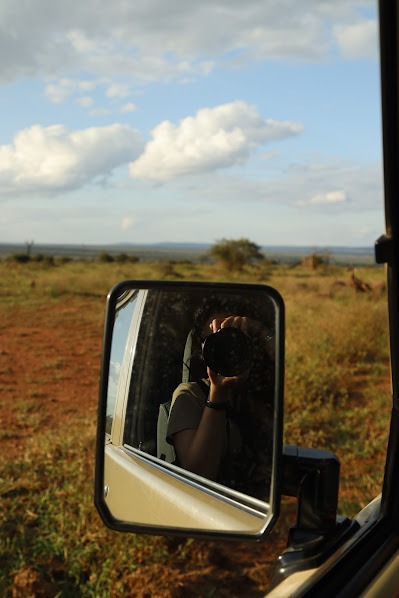
Travel for me has always been about more than just the sights—it’s about the little pieces of each place that I can carry home. Whether it’s the taste of a local herb, the sound of a handmade instrument, or the simple joy of a patch on my backpack, these souvenirs remind me why I love exploring the world.
They’re personal, portable, and meaningful in their own ways, and over time they’ve turned into a collection that tells the story of my adventures. Each item is a small connection to a place I’ve experienced, a little reminder of the landscapes I’ve hiked, the cultures I’ve encountered, and the journeys that have shaped me.
I invite you to think about how you remember your trips. Do you bring something home, or rely on photos and memories alone? If you do collect souvenirs, consider choosing ones that are ethically made, sustainably sourced, and support local communities. That way, your keepsakes don’t just tell the story of your journey—they also give back to the people and places that make those experiences possible.