Hiking with Chronic Health Conditions: An Untold Journey
Being in nature—whether walking through the countryside, hiking up a hill, or simply sitting in a park—offers a chance to recharge, move at your own pace, and listen to your body. At the same time, managing health requires careful planning, pacing, and awareness of your limits.
REALITIES OF TRAVEL


Everyone who lives with a chronic health condition, whether is pain, specific treatment or a physical difficulty knows that some days are harder than others—some days even simple tasks can feel overwhelming. Doing things you love can be a very difficult task that sometimes you need to sacrifice this time of your day to store energy for something else.
As someone living with a chronic health condition, the decision to continue doing what I love and conquer the highest mountauns to can both feel exhilarating and intimidating. The exitement of planning the trip, can easily fade away the moment I need to start preparing my body and mind. The overwhelming thoughts start racing within the mind - "what if i get a flare up while im flying?", "what food I will be able top eat?", "Do I have enough space in my luggage to get everything I may need?" These fears loome large, often making me question whether I am capable of enjoying what I like the most.
I remember many occassions such as when I was mid-way in my 2 week trail in the Himalayas, the altitude sickness made my symptoms flare up, and I knew that there was no way out of this. At the same time fellow hikers and tour guides being worried about me, or suggesting things that only made me more overwhelmed. The thoughts on why am I doing this, and that I shouldn't be testing my limits. I started thinking that I have spent lots of time and money in this - things that I don't have plenty in my life- and whether it was worth it.
The solution was simple in theory but much harder to put into practice: taking my time, trying to relax, and approaching the journey with a positive mindset. I reminded myself that I was prepared—I had packed everything I might need, because I always think “just in case.” Most importantly, I focused on keeping my motivation up by remembering why I was doing this hike. Part of it was the desire to see some of the most beautiful views in the world and share the experience with my loved ones. The other part was the mission behind a fundraiser I was involved in, which gave me an extra sense of purpose.
After thinking through the challenges and how I’ll pace myself, the next step is practical preparation. This includes organising what I need for the hike, checking routes, and planning how to manage my energy and any treatments while I’m away.
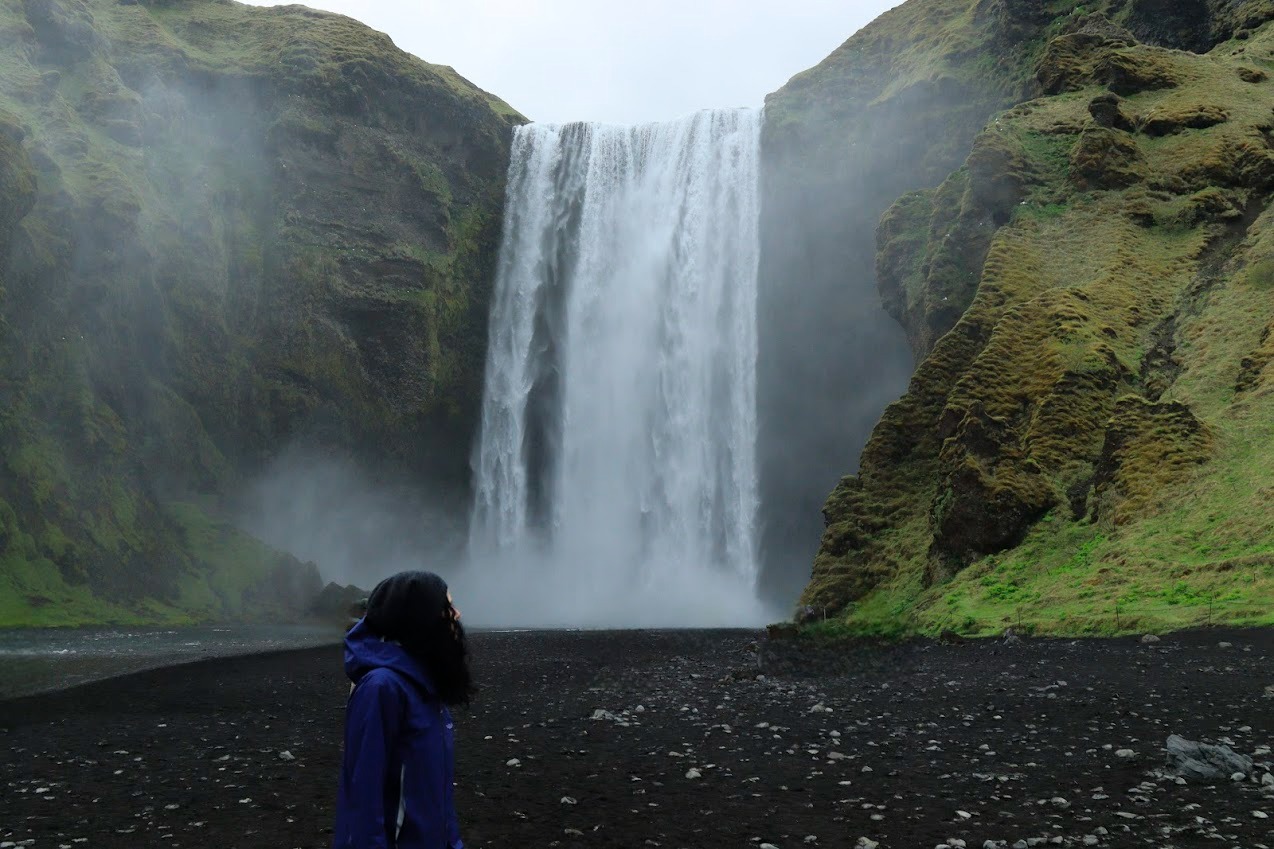
Preparing body and mind is part of the trip planning
Preparing for a hike when you have a chronic condition involves considering both the practical and personal aspects of the trip and of course it depends on several factors. The difficulty of the route, the nature of your condition, and the plan for the day all influence what needs to be done in advance. For example, a short, flat trail might require minimal planning, while a longer or more challenging hike will need careful consideration of rest stops, gear, nutrition, and energy management. Understanding these variables allows you to make practical decisions that help manage the hike safely and comfortably. Here are some things I have found helpful when planning my travels:
Packing:
While it’s important to bring what you need, there’s a fine balance between being prepared and overpacking. Carrying unnecessary items can add weight, slow you down, and increase fatigue, which is particularly relevant when managing a chronic condition. At the same time, underpacking can leave you without essential items when you need them. The key is to focus on what is truly necessary for the specific hike, the conditions, and your own needs. Check out in my blog some of my packing tips! CLICK HERE.
After years of hiking and managing my chronic condition, I’ve developed a packing routine that works for me. It’s not about bringing everything imaginable, but about knowing exactly what I need for each type of hike and having it ready. Main things in my day pack include:
Essential medication, included in a full First-Aid kit.
Foldable water bottle - usally one or two depending on the duration.
Trekking poles. Even for a flat trail, sometimes when fatigue strikes you need them.
My natural remedies. Things that I have noticed helped me push through. You can read about it in my blog. Just Click Here!
Electrolytes and snacks! Important for your energy levels
Lightweighted jacket!
Emergency whistle - better safe than sorry!
Preparing for the Trail Conditions:
Understanding the trail conditions before you start is essential when hiking with a chronic condition. Different terrain, elevation changes, or surface types can affect energy levels, joint strain, and overall comfort. For example, rocky or uneven paths may require sturdy shoes and trekking poles, while muddy or wet trails might call for waterproof footwear and gaiters.
Sun exposure is another important consideration. Trails with little shade or high UV levels require sunscreen, a hat, and breathable clothing, but it’s equally important to prepare your body physically. Gradually increasing time outdoors before the hike can help your body adjust to prolonged sun and heat, and staying well-hydrated in the days leading up to the hike can reduce fatigue.
Altitude is another factor that can affect energy and symptoms. For hikes at higher elevations, it helps to spend time acclimatising by arriving a day or two early if possible, moving slowly at first, and allowing your body to adjust before tackling steep climbs. Physical preparation, such as gentle cardio or breathing exercises in the weeks before a high-altitude hike, can also make the experience more manageable. I usually increase my excerise 4 to 5 weeks before the hike while i allow myself to rest for 4 days before.
Checking trail conditions ahead of time allows you to plan rest points, identify shelters, and anticipate areas that may require extra effort. Preparing for these variables doesn’t eliminate challenges, but it makes them easier to manage and reduces surprises, letting you focus on enjoying the trail rather than reacting to unexpected difficulties. Usually I add extra 30 mins to my route just in case when I plan a rest stop.
Understanding Your Body:
Understanding how your body responds to activity is an important part of hiking with a chronic condition. Symptoms, energy levels, and physical limits can vary from day to day, and recognising these changes helps inform decisions before and during a hike. Paying attention to early signs of fatigue, pain, or discomfort allows you to adjust your pace, take breaks, or change plans before symptoms escalate. I personally, have created my own "window of tolerance" which helps me identify my daily energy limits, what can affect my symptoms and how to act proactively.
Even though the beginning was diffuclt, over time, patterns often become clearer, by noticing the triggers. Being aware of these factors makes it easier to plan routes, choose appropriate start times, and decide how much effort is realistic on a given day. This awareness doesn’t limit what you can do—it supports better decision-making on the trail and helps reduce unnecessary strain, making hiking safer and more sustainable over time.
Being on the Trail
Once I’m on the trail, flexibility matters more to me than sticking rigidly to a plan. I usually start at a slower pace than I think I need, particularly on climbs, and focus on keeping that pace consistent rather than pushing and stopping frequently. I’ve found that taking short, regular sips of water throughout the hike works better for me than drinking large amounts at once, helping to keep my energy more stable.
I also keep rest stops short and purposeful. Staying still for too long can cause my body to cool down and makes fatigue set in more quickly, so I prefer brief pauses to eat, adjust layers, or assess how I’m feeling before moving on again. These small, regular check-ins allow me to manage symptoms without losing momentum.
Hiking in Groups - The other big challenge
Hiking in larger groups can add another layer of complexity when living with a chronic condition. Group hikes often move at a fixed pace, with scheduled breaks that may not align with individual needs. Keeping up can require pushing beyond a comfortable rhythm, while stopping more frequently can create a sense of pressure or self-consciousness.
I’ve found that energy management becomes more difficult in these situations. Taking short sips of water, keeping a steady pace, or limiting rest times—strategies that work well for me individually—can be harder to maintain when the group’s movement dictates when to stop or go. There can also be an unspoken expectation to continue, even when symptoms start to change.
Communication helps, but it doesn’t remove all challenges. Even in supportive groups, needing to adjust plans or slow the pace can feel mentally taxing. For this reason, I tend to prefer hiking solo or with one or two people who understand my needs and are comfortable with flexibility. When hiking in larger groups, choosing routes with clear exit points or agreeing in advance that splitting up is acceptable can make the experience more manageable.
Mental Health
Hiking with a chronic condition brings unique mental challenges that require thoughtful navigation. There can be immense pressure to finish a route, keep pace with others, or justify our choices—both to ourselves and to our companions. Over time, I’ve learned that letting go of rigid expectations not only reduces stress but also makes the experience more enjoyable and fulfilling, which is vital for both physical and mental well-being. Of course, this is easier said than done, and it takes conscious effort on every trail to remember.
Approaching hikes with realistic expectations—and accepting that plans may need to change—is essential for making the experience sustainable and less overwhelming. Mental preparation isn’t just about motivation; it’s about responding calmly and practically to the conditions around us, staying attuned to our limits, and giving ourselves the flexibility to enjoy nature without being confined by strict goals.
I’ve also learned how to make each trip accessible for myself and to ask openly for the support I need. Sometimes this requires extra planning or a bit more expense—for instance, opting for a private guide rather than a group tour—but there are ways to manage these challenges without sacrificing the experience. Ultimately, prioritising mental well-being on the trail allows us to connect more deeply with the outdoors while respecting our own needs.
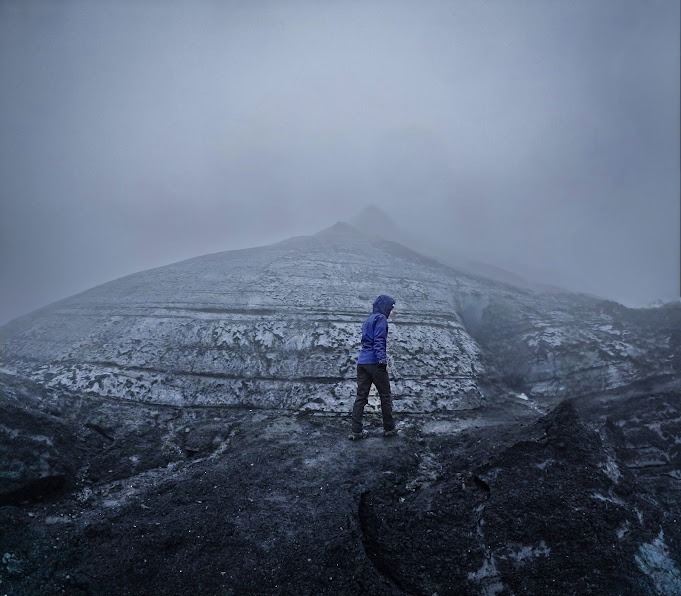
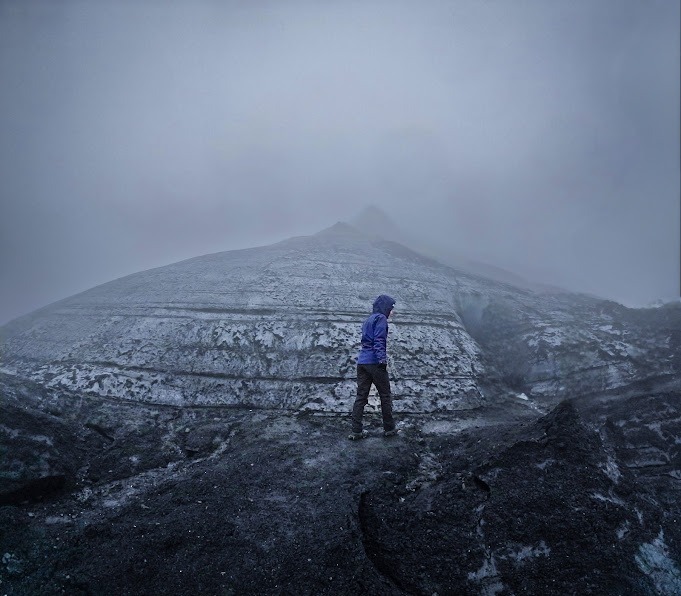
Hiking with a chronic health condition isn’t about proving capability or pushing through discomfort. It’s about making informed decisions, preparing thoughtfully, and adapting as needed. Everyone’s experience is different, and what works for one person won’t work for another.
Sharing practical realities helps build understanding and makes outdoor spaces feel more accessible. With the right preparation and mindset, hiking can remain a meaningful and manageable part of life—on terms that respect both the trail and the body.
And if you want more tips and tricks to get Inspired for your adventures follow along with Travel Inspirations by 500 Miles Away!
Every Mile tells a story, and I'd love to hear yours!